Hire UGC creators in the USA
Brief US creators in your own words, get ad-ready vertical videos with the usage rights written down, and pay only when you approve.
- Payment held until you approve
- Rights in writing
- Two rounds of revisions
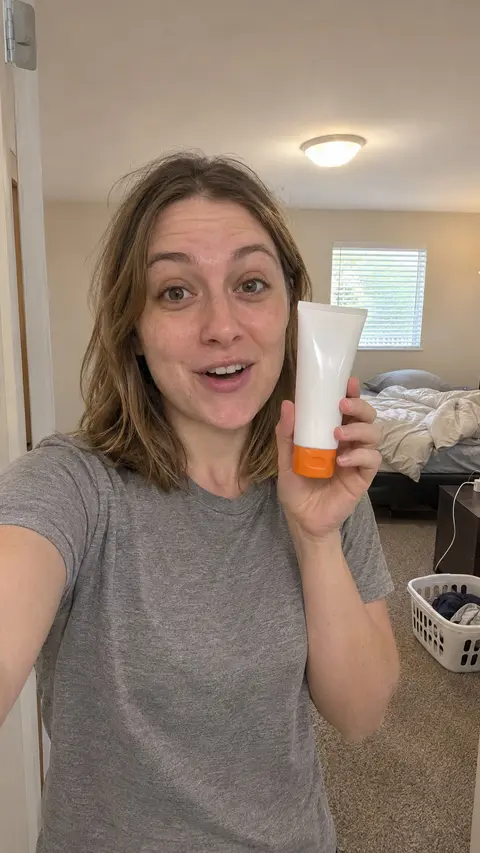
Two weeks in. No white cast, and it sits well under makeup.30 s · 9:16 · English
- Clearly an adFTC: put the label in the video itself, said and shown.
- A hook in 2 secondsBrief 2–3 openings and test which one stops the scroll.
- Rights in writingTikTok, Instagram, Facebook · paid use · 6 months.
To hire UGC creators in the USA, write a brief (product, hooks, language, usage rights, deadline), invite creators who fit, and pick one by their samples and rate. Ship the product, get the video within the agreed deadline, ask for changes, and pay when you approve. Make sure the video follows the FTC’s rules on honest endorsements.
The US, in numbers
Where your buyers watch, what they speak, and what a fake testimonial can cost. All from public sources.
Where US adults watch
Share of US adults who say they use each platform.
of people in the US speak a language other than English at home. About 6 in 10 of them speak Spanish.
US Census Bureau, 2017–2021the most a court could fine per violation of the FTC’s fake reviews and testimonials rule, as stated in the FTC’s December 2025 warning letters. The cap is adjusted every year.
FTCWhat to put in a brief for US buyers
Five things that decide whether the first video is the right one, or the start of a long back-and-forth.
- Language
Most US ads run in English. If you sell to Spanish-speaking customers, you can ask for a Spanish video too.
Real data: about 22% of people in the US speak a language other than English at home, and roughly 61% of them speak Spanish.US Census Bureau - Hooks
Ask for 2–3 different openings so you can test which one stops the scroll.
- Platforms
Name every place the video will run, for example TikTok, Instagram, Facebook and YouTube. Anything not named needs the creator’s OK later.
Real data: 84% of US adults use YouTube, 70% Facebook, 51% Instagram and 37% TikTok.Pew Research Center - Paid use
If you will run it as an ad, say so. Organic-only rights don’t cover ads.
Good to know: to run an ad from the creator’s own handle, TikTok and Meta both need the creator’s permission first.TikTokMeta - Claims
List what the creator may and may not say about the product. No medical claims you can’t prove.
FTC: a creator can’t talk about their experience with a product they haven’t tried, or make claims that need proof the advertiser doesn’t have.FTC
Honest endorsements, and ads that look like ads
Honest, and easy to see
The FTC’s Endorsement Guides say endorsements must be honest and not misleading. A paid relationship with a brand (a “material connection”) must be easy for viewers to see. Free products count too, not only money.
Endorsement GuidesDisclosures 101In the video, said and shown
The disclosure belongs in the video itself, not only in the description, and near the start. The FTC says viewers are more likely to notice it when it is both spoken and on screen. It should be in the same language as the video.
“Place it so it’s hard to miss.”Disclosures 101FTC FAQ
The brand is responsible too
It isn’t only the creator’s job. The FTC expects brands to guide creators, check what gets posted and act on problems. Handing the work to an agency doesn’t move the responsibility.
“Delegating part of your promotional program to an outside company doesn’t relieve you of responsibility under the FTC Act.”FTC FAQ
The platform’s label isn’t a guarantee
A platform’s “paid partnership” tool helps, but the FTC says it is no guarantee the disclosure is clear enough. Responsibility stays with the creator and the brand, not the platform.
FTC FAQNo fake testimonials
Since 21 October 2024, an FTC rule bans fake testimonials, including AI-generated ones and ones that misrepresent a real experience. A hired creator’s post counts as a testimonial, and a brand can be liable if it knew or should have known.
16 CFR Part 465FTC Q&AIt applies from abroad
A creator outside the US is still covered if it is reasonably foreseeable that the video will be seen by, and affect, US consumers.
FTC FAQLabels the FTC says are likely to work
- “Ad:”
- “Paid ad”
- “#ad”
- “Advertisement”
- “Sponsored by [brand]”
Put it at the start, where people will see it.
Labels and places the FTC warns about
- “Gifted” on its own
- “#ambassador”
- “#partner”
- “#sp” / “#spon”
- “#collab”
- Only in the description
- Only at the end
- Buried in hashtags
The FTC calls these ambiguous, confusing or easy to miss.
The FTC is enforcing this. In December 2025 it sent warning letters to 10 companies over review and testimonial practices, noting that a court could impose civil penalties of up to $53,088 per violation. FTC warning letterArnold & Porter
This is general information, not legal advice. Check the FTC’s own pages for your case.
Running the video as an ad from the creator’s handle
Two formats US brands ask for most. Both need the creator to say yes inside the platform, on top of the rights in your brief.
- The creator turns on ad authorization for the post and sends you a video code.
- They choose how long the code lasts:73060365days
- When it runs out, the ad stops until the creator extends it.
- You need permission from the creator whose handle the ad runs from.
- Permission can be for one post, with a partnership ad code, or for the whole account.
- The ad shows both accounts in the header. The creator can take the permission back at any time.
What to do with this: write paid use and the period into the brief, then ask for a code that lasts at least as long. A 30-day code on a 6-month licence stops your ad five months early.
How UGCOVE solves each one
Eight worries brands have when they hire in the US, what the rules or platforms say, and what UGCOVE does about it.
UGCOVE is opening to brands in small groups from a waitlist. It is not open yet.
Write the brief, pick a creator, ship the product, approve and pay.
The steps The rights documentWhat the licence says, line by line, in plain words.
Usage rights Follow the moneyFree to post, held when a creator accepts, released when you approve. US dollars, with an invoice.
PaymentHiring UGC creators in the USA: questions
How do I find UGC creators in the USA?
On UGC marketplaces, freelance sites, or by messaging creators yourself. On UGCOVE you post one brief, creators who fit apply, and you pick by samples and rate.
Do US UGC creators need followers?
No. UGC videos run on your accounts and ads, so what matters is how they film, not their following.
How long does a UGC video take?
On UGCOVE, 10 days from the day the creator has your product, unless your brief sets another deadline.
Can I run the videos as Spark Ads or Partnership Ads?
Yes. Ask for paid use in the brief, including Spark Ads on TikTok or Meta Partnership Ads. Both also need the creator’s permission inside the platform: a video code on TikTok, lasting 7, 30, 60 or 365 days, or a partnership ad permission on Meta.
Do UGC videos need an “ad” label in the US?
The FTC expects paid endorsements to be clearly disclosed. When you run a creator’s video as an ad, it should be clear it’s an ad. The FTC’s guidance says to put the disclosure in the video itself, near the start, both spoken and on screen.
Who is responsible for the label, the brand or the creator?
Both. The FTC says responsibility for disclosure rests with the creator and the brand, not the platform, and that hiring an agency doesn’t remove the brand’s responsibility.
Is “gifted” or “#partner” enough?
The FTC says “gifted” on its own is likely to be ambiguous, and that “#ambassador” and “#partner” are confusing. It says starting with “Ad:”, “Paid ad” or “#ad” would likely be effective.
Do the FTC rules apply if the creator lives outside the US?
Yes, if it is reasonably foreseeable that the video will be seen by and affect US consumers.
Can I hire creators outside the USA too?
Yes. UGCOVE works in any country, so you can brief creators wherever your buyers are.
Works worldwide. UGCOVE is one marketplace for brands and creators in any country. Brief in English, Spanish, Hindi, Thai, Portuguese and more.
Sources
· last checked 27 November 2026- FTC: Disclosures 101 for Social Media Influencers · page updated 3 Dec 2024
- FTC’s Endorsement Guides: What People Are Asking · updated 15 Jul 2025
- FTC: The Consumer Reviews and Testimonials Rule, Questions and Answers · updated 1 May 2025
- Federal Register: Rule on the Use of Consumer Reviews and Testimonials, 16 CFR Part 465 · effective 21 Oct 2024
- FTC: warning letter template on the Consumer Review Rule · December 2025
- Arnold & Porter: FTC warning letters over the Consumer Review Rule · January 2026
- Pew Research Center: Social Media Fact Sheet · published 19 Oct 2026
- US Census Bureau: language use, 2017–2021 American Community Survey (CB25-TPS.40) · 3 Jun 2025
- TikTok Business Help Center: how to create Spark Ads
- Instagram Help Center: partnership ad permissions
Brief your first creator.
We’re opening to brands anywhere in the world in small groups. Join the waitlist and we’ll let you in as soon as your group opens.
Join the waitlist